Primary Sump Pump Buyer's Guide: 2 Types to Know
A primary sump pump is your first and often the last line of defense against a flooded basement. It's important to pick the right one.
Primary sump pumps run on standard AC electrical power in your basement and are only effective when your home has power. But, when the power goes out, you'll need a battery backup sump pump to keep water from flooding your basement.
Why You Need a Primary Sump Pump
Sump pumps are essential to protect your basement against flooding. Without one, a basement has no defense mechanism against drainage, seepage, storm surges, or seasonal thawing that can all wreak havoc in your basement.
All homes with a basement should have a sump pump, and if yours doesn't, we recommend you get one soon. The unfortunate thing about sump pumps is that people often don't think about them until it's too late and they experience flooding issues.
We also recommend getting an automatic sump pump that will instantly activate as soon as high water levels are detected in your sump pit. Watch the video below to learn the difference between automatic and non-automatic sump pumps.
Types of Primary Sump Pumps
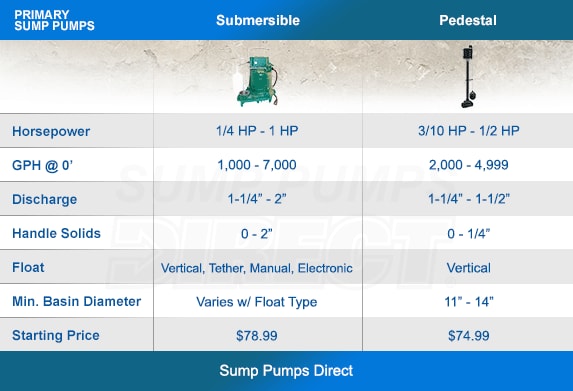
There are two types of primary sump pumps: submersible and pedestal sump pumps. Described below, there are benefits and drawbacks for each type of pump. Ultimately, your decision will come down to how large your sump pit is, how high/far you need to pump the water, how much you want to spend, and how much power you'll need to pump out the water that drains into your pit through your discharge pipe.
Submersible Sump Pumps
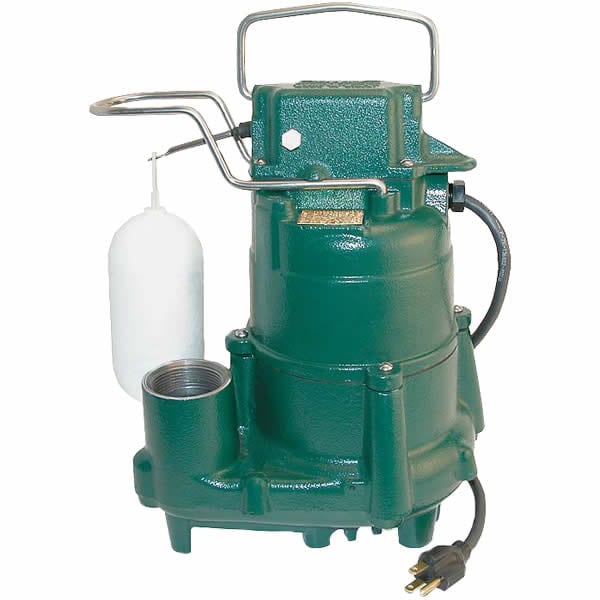
Submersible sump pumps are placed below water at the base of your sump pit, and you'll need a bigger pit than with a pedestal pump for this reason.
Because these pumps and their motors operate underwater, the noise level is reduced, which is a pleasant feature for those who spend time in the basement. Another benefit of a submersible sump pump is that the water helps to cool the motor, which is especially important during extended periods of use, like during heavy storms. It would be disastrous to have your sump pump break down or overheat during a torrential downpour.
Submersible sump pumps are more powerful than pedestal pumps and can pump out solids and debris that may find their way into your sump pit, making them more expensive but greatly worth the investment. For applications where you need to pump water higher than a few feet to get it outside, you'll benefit from submersible sump pumps that have greater horsepower (HP) ratings and the ability to pump more gallons per hour (GPH) through your system than with a pedestal pump.
 How to Pick the Perfect Submersible Sump Pump
Pedestal Sump Pumps
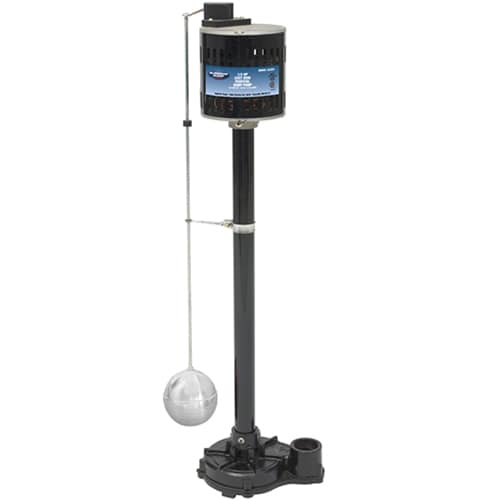
Pedestal sump pumps are primarily used in situations where the sump pump pit is either narrow or shallow. Because the entire motor is located above the water of the sump pit, they don't require much space but are consequentially louder.
Pedestal sump pumps were the residential standard until modern submersible pumps became popular. Look for a pump made of cast iron, as these will hold up well to the wear and tear of protecting your basement. If your sump pump pit contains any solids, you'll want to go with a submersible pump instead, since pedestal pumps can't handle small debris in your sump pit.
Again, if the operating noise of your sump pump is a concern, choose a submersible pump instead, since the motors on these pumps sit above the water and are more prone to overheating.
How to Pick the Perfect Pedestal Sump Pump
What If My Home Loses Power?
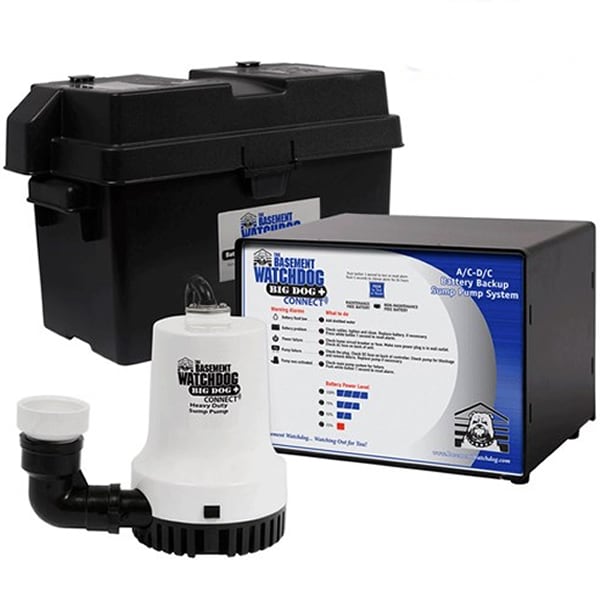 Primary sump pumps are necessary to protect your basement from overflowing water, but when the power goes out, your sump pump will be useless without backup power. If you don't have an emergency portable generator or a home standby system ready to kick in when power fails, the only option you have for protecting your basement during a power outage is a battery backup sump pump system.
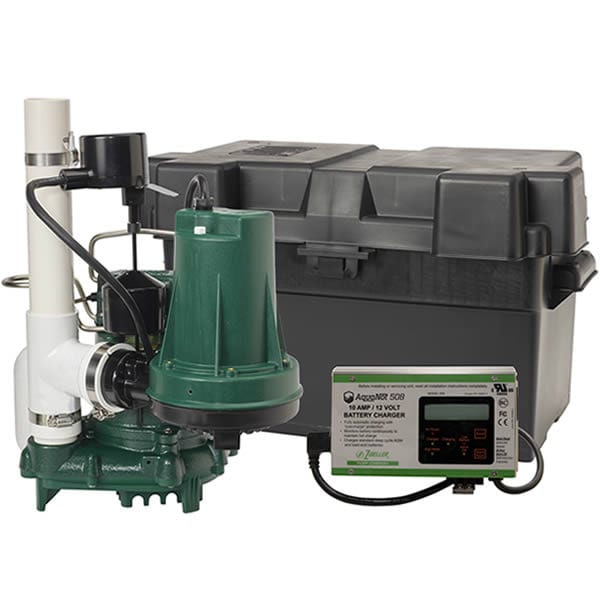 Battery backup sump pumps operate with battery power, giving you extra time for your sump pump to operate if and when it needs to during a storm and power is lost. They can be sold individually or can be combined with your primary sump pump in a convenient combination sump pump system.
Real-Time Alerts with Wifi Sump Pumps
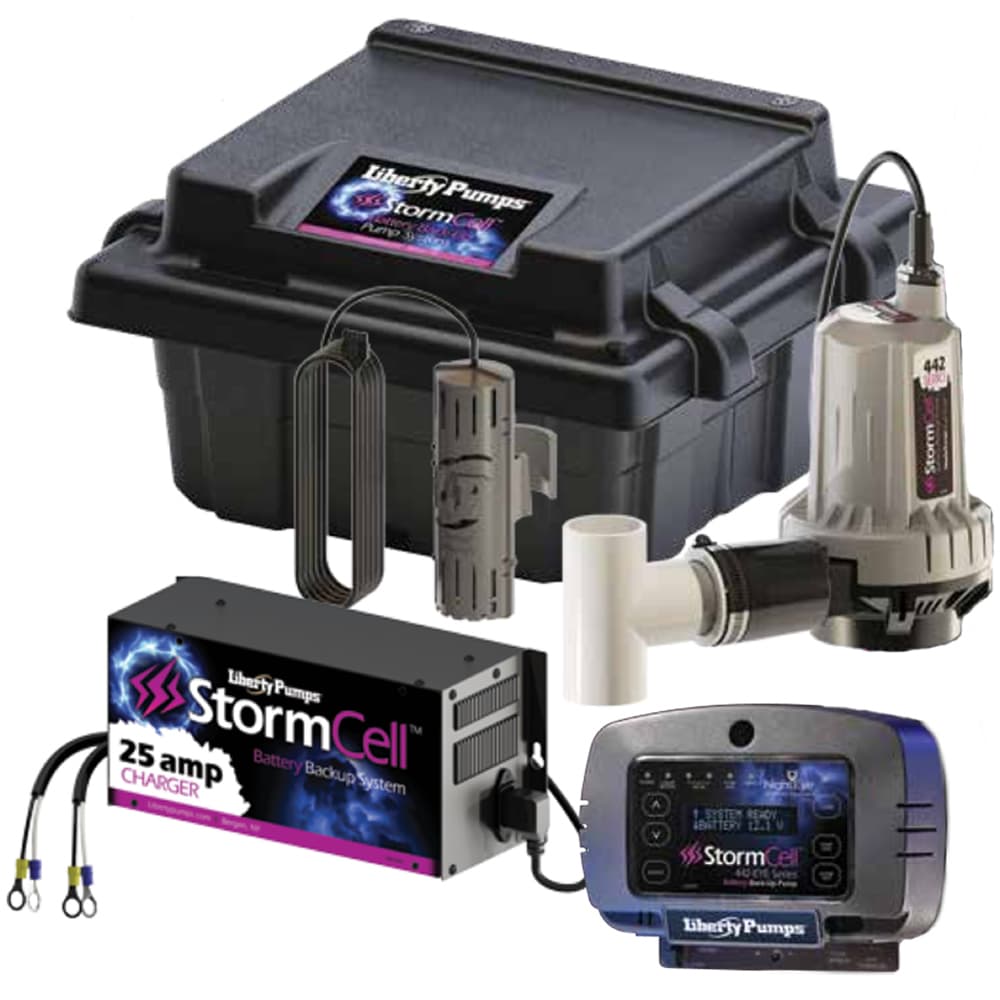 The point of a sump pump system is to keep flooding out of your basement and give you peace of mind whether you are home to hear the alarm or not. Today's modern sump pump technology allows wifi-enabled pump systems and water alarms to text, call, or email you as soon as a problem is detected.
With a smart sump pump system, you'll be sure your basement is safe from anywhere in the world. Plus, some systems provide complete diagnostics and software so you can monitor the status of your pump, alarm, float switch, and more all from your computer or smartphone app.
NEXT: How to Pick the Perfect Wifi Sump Pump System